The Context We Cannot Ignore
We live in a consumer society, and that is undeniable. Our daily activity is marked by the consumption of food, water, electricity, clothing, gasoline, and a long list of things that allow us to meet our needs.
The problem is that we live on a planet with limited resources, and they are running out. Environmental changes have been generated that endanger ecosystems and life on the planet as we know it.
Trash: A Problem We Can No Longer Hide
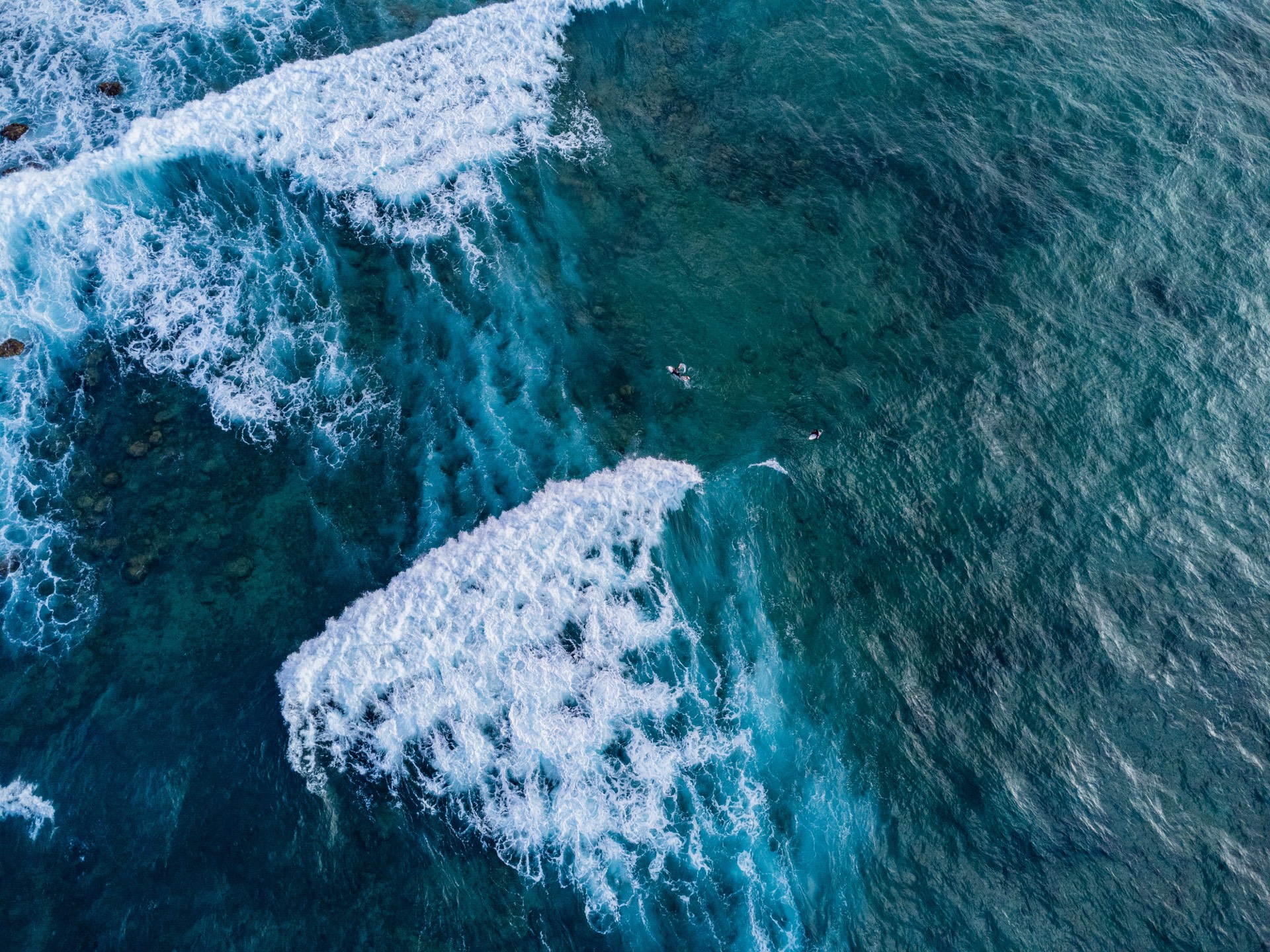
Oceans have been severely affected by plastic pollution:
- Thousands of marine organisms die each year from suffocation or ingestion
- Microplastics are present even in the food we eat
- The only real solution is to drastically reduce current plastic production
What is Conscious Consumption?
There is no magic solution, and let's not fool ourselves: all the answers involve a change in our habits. As the banners seen at the global climate strike read: "There is no planet B".
Conscious consumption involves making decisions with each purchase we make. As consumers, we have the power to change the products the market offers according to our choices:
- Choose what has the least impact on ecosystems
- Seek a lower carbon footprint
- Verify that human rights are not violated in production
- Think if your purchase benefits a large company or many people in my community
Before Buying, Ask Yourself:
- Do I really need it?
- Can I repair what I already have?
- Can I reuse or buy second-hand?
- Can I borrow it?
- If I need to buy it, which is the most sustainable option?
Conscious Consumption Stores in the Canary Islands
We have mapped the stores we know on the islands where you can make conscious purchases. From bulk stores to natural cosmetics and ecological cleaning products.
Available categories:
- 🛒 Bulk food
- 🧹 Ecological cleaning products
- 🧴 Natural cosmetics
- 👕 Sustainable fashion
- ♻️ Reusables and zero waste
Reference Resources
- World Conscious Pact — Conscious Consumption
- Ecologists in Action — Consumption
- Greenpeace — Consumption
We give our money — which implies time of our lives — in exchange for objects. We have the right to be demanding about what we receive and its impact.