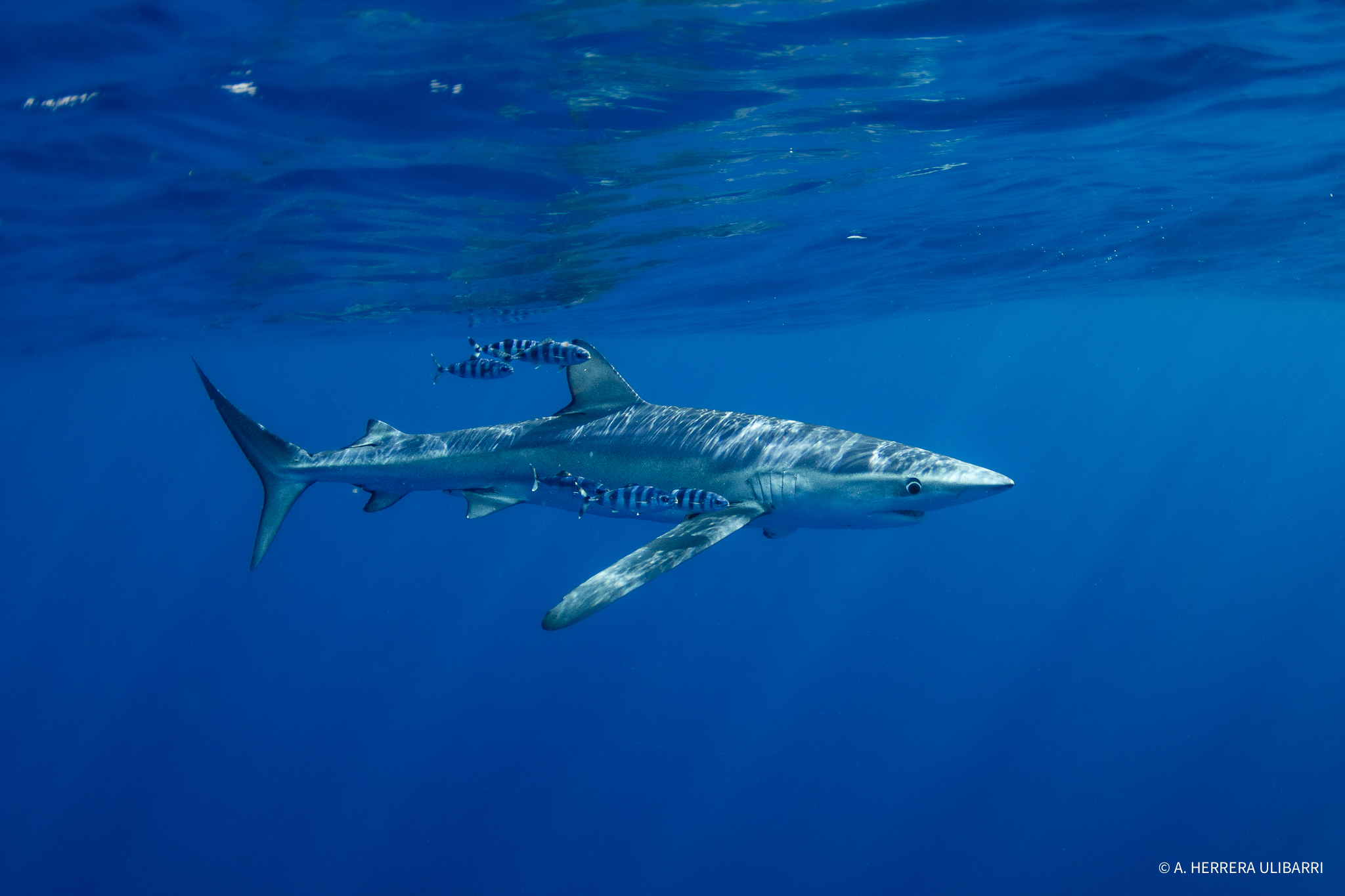
How many sharks are left in the waters of the Canary Islands? What species of rays inhabit our coasts? Are they in danger? Until now, the answer was the same: we do not know for certain.
A European Project to Fill the Gap
The University of Las Palmas de Gran Canaria (ULPGC) and Latitud Azul have obtained one of the coveted international Bestlife projects, which will allow them to finally deepen the knowledge of ray and shark populations in the waters of the Canarian archipelago.
It is a milestone: for the first time, a comprehensive study of these species is being addressed with direct European funding.
Why Is It So Important?
The main objective is clear: evaluate the conservation status of sharks and rays with sound scientific information. The reality until now was concerning:
- Existing data on these marine populations were scarce and scattered
- No specific studies documented the real threats
- Without reliable data, it is impossible to formulate effective conservation strategies
Awareness: Changing the Image of the Shark
The project is not limited to the laboratory. A fundamental part is spreading information among society through:
- Awareness campaigns about the importance of rays and sharks for marine ecosystems
- Citizen education to demystify the negative image that movies like Jaws created decades ago
- Collaboration with local communities to integrate conservation into Canarian coastal culture
The Canary Islands as a Conservation Laboratory
The Canary Islands are a unique enclave in the Atlantic. Species like the nursehound (critically endangered globally) find one of their last refuges here. This project positions the Canary Islands on the map of international marine research.
To know is to protect. To research is to act. That is our mission.